

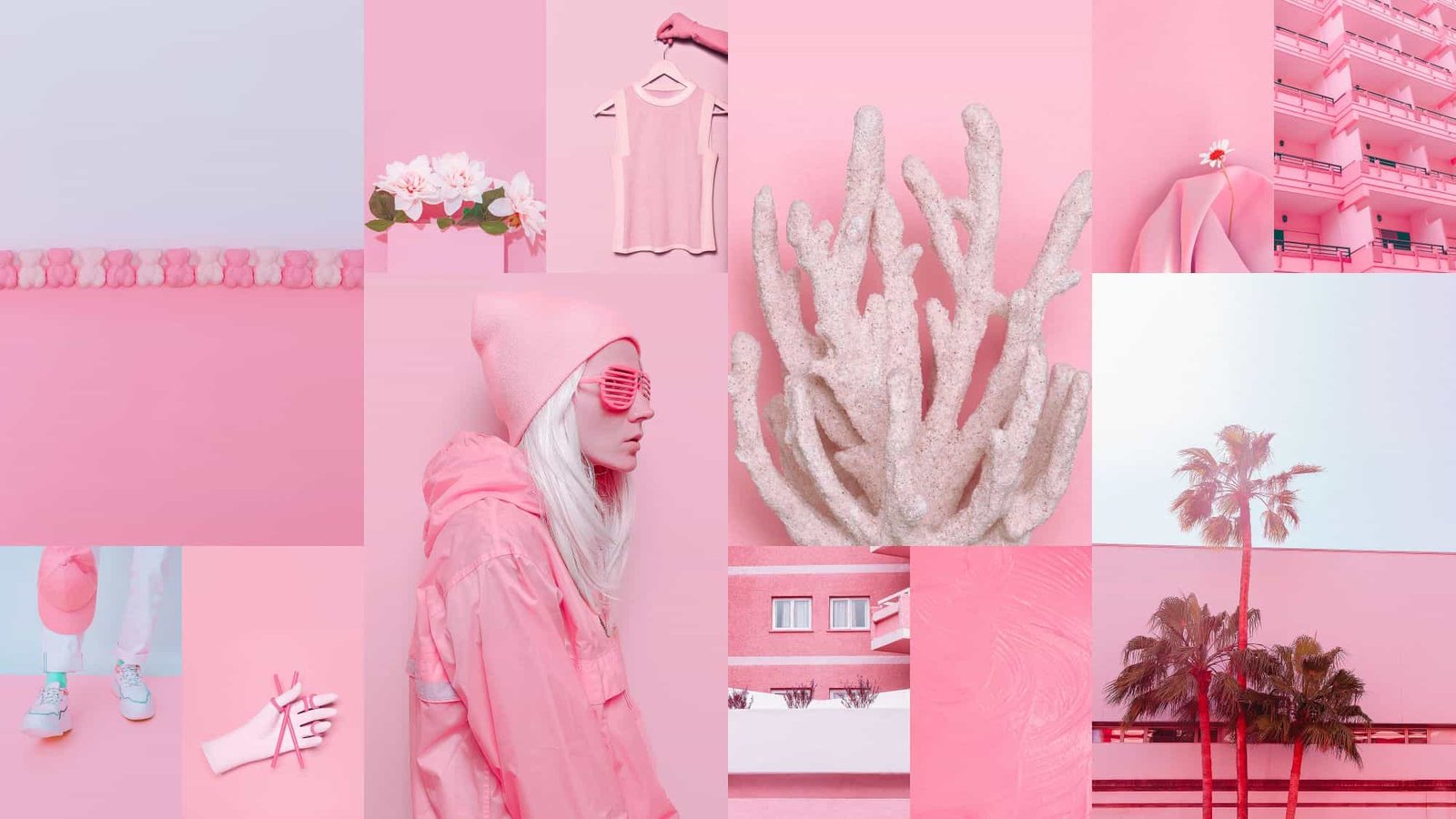
What if your audiences don’t understand how your products will benefit them? Surely, they won’t have the confidence to purchase the items online. Also, they might return your products after purchasing them in this case.
According to a study, 5% of all online orders were returned in the US in 2026 because the purchasers misunderstood the product in the first place.
Lifestyle product photography can be the savior here. It helps you showcase the products in eCommerce in real-life settings, letting your audience understand what the items will be when they receive them.
What Is Lifestyle Product Photography?
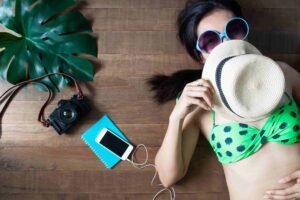
Lifestyle product photography aims to showcase products in real-life settings that reflect a particular lifestyle. It allows your audiences to understand the usefulness of your items in their daily lives.
Instead of only focusing on the products on a plain background, this style creates a story around the product that is relatable to your targeted audience’s situations. And the more your product story captures the audience’s situations, the more they will buy your products.
In lifestyle product photography, a model can be engaged with the items, showing their usefulness. Also, real-life settings might be included instead of models, which are widely familiar to your potential customer base.
What Are the Benefits of Lifestyle Product Photography in 2026?
Lifestyle product images will benefit you in various ways, such as –
- Providing contextual understanding: This type of photography presents real-life settings that sync with your audience’s experiences, helping them connect more with your brand.
- Enhancing brand identity: Lifestyle product photography helps you create your brand character by presenting the aesthetic value of your items.
- Creating emotional connection: This style connects emotionally with your potential customers when you present their life stories in the product images.
- Improving customer engagement: Meaningful connection engages customers naturally, persuading them to share your brand with their surroundings through social media and real-time conversation.
- Increasing sales: Sales come when you can gain customers’ trust. Lifestyle photography makes your audience feel that you are real in real-life settings.
Flat Lay vs Lifestyle Product Photography
Both lifestyle and flat lay product photography tell your product story and evoke moods to connect with your audiences. But they have some key differences.
| Features | Flat-lay product photography | Lifestyle product photography |
|---|---|---|
| Perspective | Bird’s eye view, straight from above | Close-up, medium shots, or wide shots |
| Focus | On products | On products with real-life settings or models |
| Background | Plain and minimal | Anything that presents your product’s use |
| Props | Props are used to complement the products with the visual story | Props are showcased as real-life settings to present your products in use |
| Arrangements | Simple and quick | Complex, with preparing locations and models |
| Benefits | Flat lay creates a strong visual appeal | Lifestyle photography helps you clear the context in more detail |
What Is Needed for DIY Lifestyle Product Photography?
Lifestyle product photography showcases your products with a visual story and educates your audiences about their usefulness in real life.
Hiring professionals for this technique is a good idea if you are ready to spend money on it. But you can shoot your products in this style yourself, which requires the following things –
Proper Plan of Photoshoot
This style requires proper planning on how to narrate the visual story before starting to shoot. The planning phase includes researching the audience, defining goals, creating a mood board, and shortlisting ideas.
- Researching the audience: The more you know about your audience’s interests, the more frequently you will communicate with them through product images. Researching the audience is the most crucial part of your lifestyle product photography.
- Defining goals: After understanding your audience through the research, you will know which story is more persuasive and relatable to them.
- Creating a mood board: Collect images that inspire you to set the preferred mood for your lifestyle photography. List down the ideas you get from the mood board and research.
- Shortlisting the ideas: The final thing to do in the planning phase is to narrow down the ideas.
A Location
When choosing a location, you must ensure that the settings of your place are familiar to your audience. It will help them connect with your product images more quickly.
Moreover, ensuring the best possible lighting is crucial. If you plan to shoot indoor photography, try placing your DIY setup near the window. You must schedule perfectly when planning outdoors to get the best natural light.
Also, choose the background carefully so that it complements your products.
A Model or Real-life Settings
A human model can show your audience directly how to use the products you want to display. Besides, a familiar model is a sign of trustworthiness, which builds trust and a good first impression and increases sales.
Besides presenting models, you can arrange a setting strategically to showcase the usefulness of your products. This can be time-saving and budget-friendly.
Required Pieces of Equipment
A professional setup for lifestyle product photography might cost you a lot of money. But you can prepare a DIY product photography setup within your budget, which requires the following pieces of equipment –
- Camera: The eCommerce marketplace sells DSLR cameras for $300 to $500. However, using your smartphone camera is also okay if you can ensure that you get the natural colors and tones.
- Tripod: A tripod is necessary to prevent unwanted shaking that might defocus your objects.
- Lighting: Natural light has no alternatives. But you won’t get it throughout the day. If you want to shoot in the absence of natural light, use artificial lighting settings.
- Props: Props can help you complement your products in real-life settings.
- Background: Background helps you focus and set the specific moods for your products.
Top 15 Lifestyle Product Photography Ideas & Trends for 2026
Implementing proper planning can make your lifestyle product photography outstanding and lifelike, and grab the valuable attention of your audience. So, keep yourself up-to-date with visualization ideas and trends that resonate with your targeted customers. This will help you choose the best style that will persuade them.
Here are 15 ideas and trends for you to follow.
Showcase Your Product with the Right Model
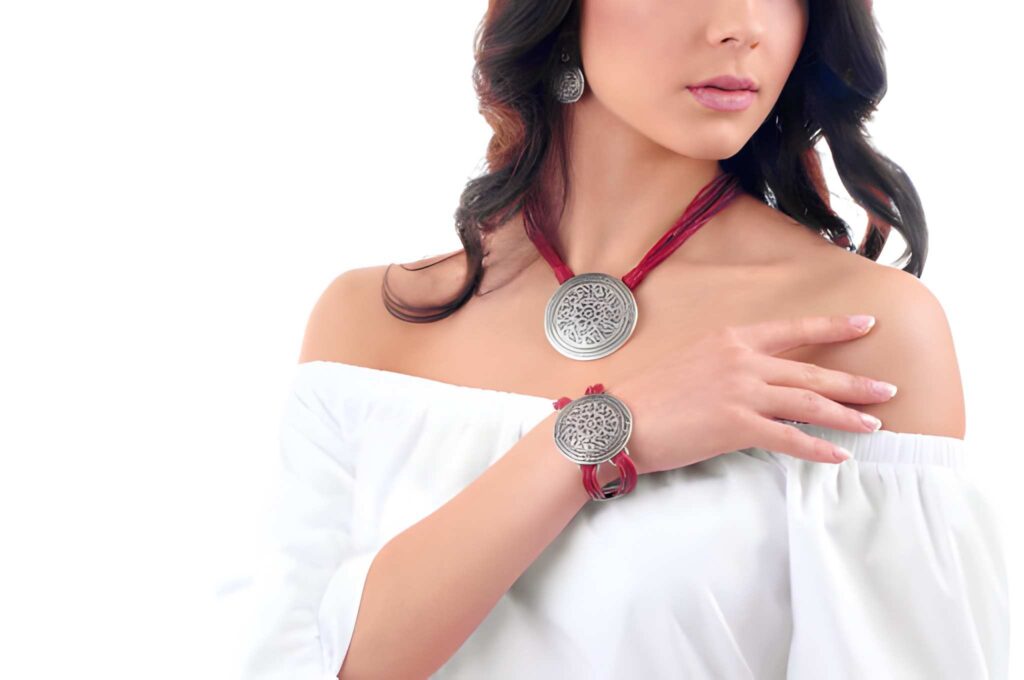
A model can clarify the usefulness of your products to the wider audience. When the model showcases your products in use, she simply attracts your audience, focusing on the key features of the items.
In other words, people can easily understand when a real human shows them how to use their items.
This style is a must for wearable items like apparel, jewelry, etc. Also, new types of products require extra attention when running a marketing campaign. A model can be helpful here.
Present Body Parts of the Model

Presenting specific body parts instead of focusing on the model’s expression is becoming more popular nowadays. It helps you focus on the products more, even when they are engaged with the real human body.
Moreover, you don’t need to hire expensive models for this, as no one will see the model’s facial expression.
This style will help you highlight products like skincare, footwear, handbags, and other handy items.
Shoot from Uncommon Angles
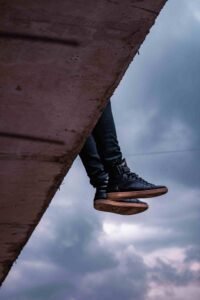
Showcasing products from uncommon perspectives can easily grab your customers’ attention. Uncommon angles contain uniqueness that makes your products stand out in the crowd.
So, experiment with unique and weird angles that represent your products dramatically in a way that no one has experienced before. Different products might demand various kinds of art in photography.
Show Ingredients of Your Products
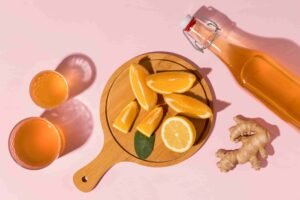
Using ingredients as props can help you make your products more appealing. This type of photography tells your audience a story of how the product is made. A story can engage the customers more than anything.
This is mostly suitable for organic products, skincare items, and other chemicals, as people are concerned about their ingredients.
It requires arranging the real-life settings and placing the ingredients in the correct order that will narrate your story.
Use Props as A Compliment
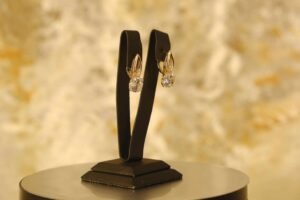
Though many think that a prop is useless in product photography, this is only sometimes true when it is the case of lifestyle product photography. As mentioned earlier, it aims to tell your product story. And the props just complement that story.
For example, jewelry requires an acrylic holder set to hold the pieces in place. This will complement the items instead of stealing the product’s focus.
On the contrary, you can use toys as props when presenting baby products. Toys are a reference to childhood that can complete your baby product story.
Focus Your Products and Blur Any Distractions
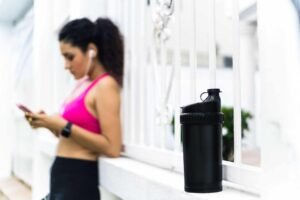
Props and other lifestyle objects help you connect with your audiences emotionally with the product story. However, too many products or objects might need to be more focused on your products.
There is a solution here. Keep various objects in the frame to complement your story, and blur them in the editing stage.
To capture the photos, you can use a large aperture, like f/1.4 or f/1.2. This will help you focus on the main object and blur the rest.
Use a Textured Backdrop
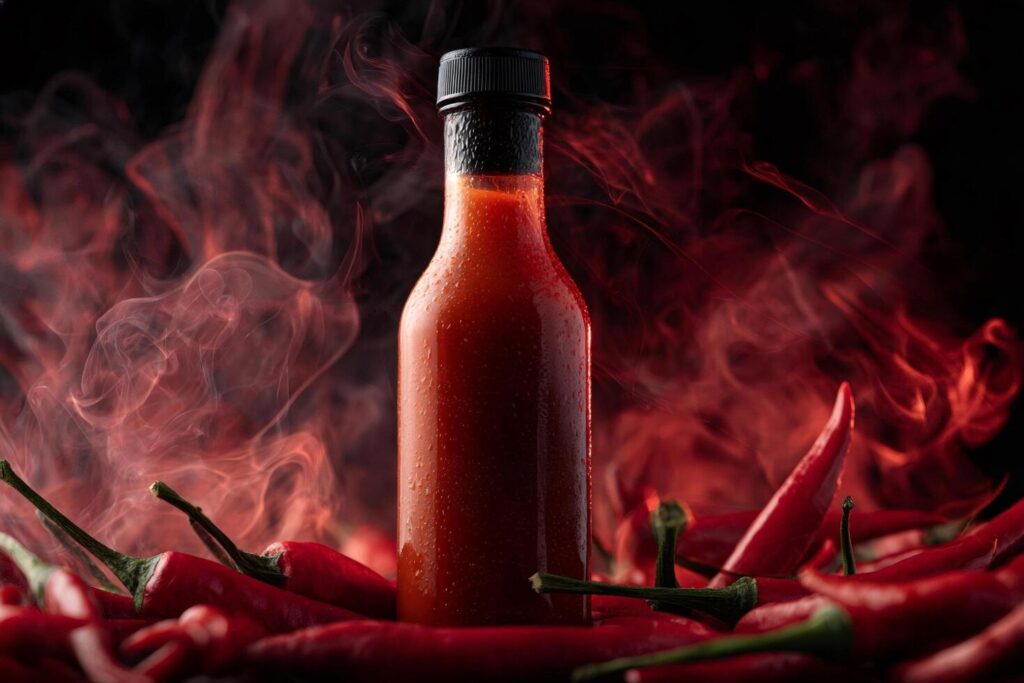
This is almost similar to showcasing product ingredients. Instead of showcasing multiple elements, it aims to cover the background with only the main ingredient of the item.
Let’s say you want to sell chili sauce. If you place the sauce on many red chilis, the chili will cover the background and help you tell your sauce story.
People will get your product story at first glance without any distractions.
Create a Colorful Background

Though Amazon product photography requires a pure-white background for your product’s main images, you can use color for secondary product photos.
Different colors evoke various moods. So, choose and combine colors that will fulfill the emotion around your products.
For example, soft green tends to complement eco-friendly products.
On the other hand, yellow evokes an old-school vibe.
Shoot Drinks in Glasses with Fake Ice Cubes
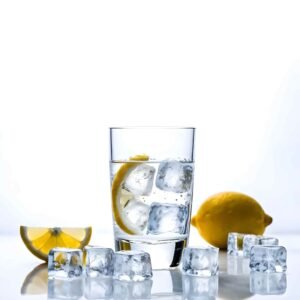
In regular product photography, you can capture photos of your drinks in a bottle. However, lifestyle product photography demands some drama to present a story.
Simply pour the drink into a glass with a style that can complement your drink. You can use lemon slices and ice as props and attach them to the glass.
Sometimes, product photography takes time, resulting in ice melting. To eliminate this situation, you can use a fake ice cube.
Implement the Color Psychology
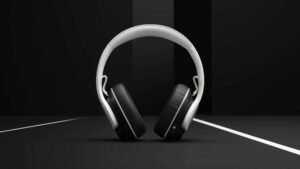
The consistency of color throughout the brand comforts your audience and evokes a feeling of authenticity. Let’s take Coca-Cola as an example. You will see red and white in all of their campaigns.
When displaying tech products, many choose black as it is the symbol of elegance and reliability.
Again, women’s products are best suited to pink, which represents femininity, kindness, and love.
Show Scale to Clarify the Product Sizes
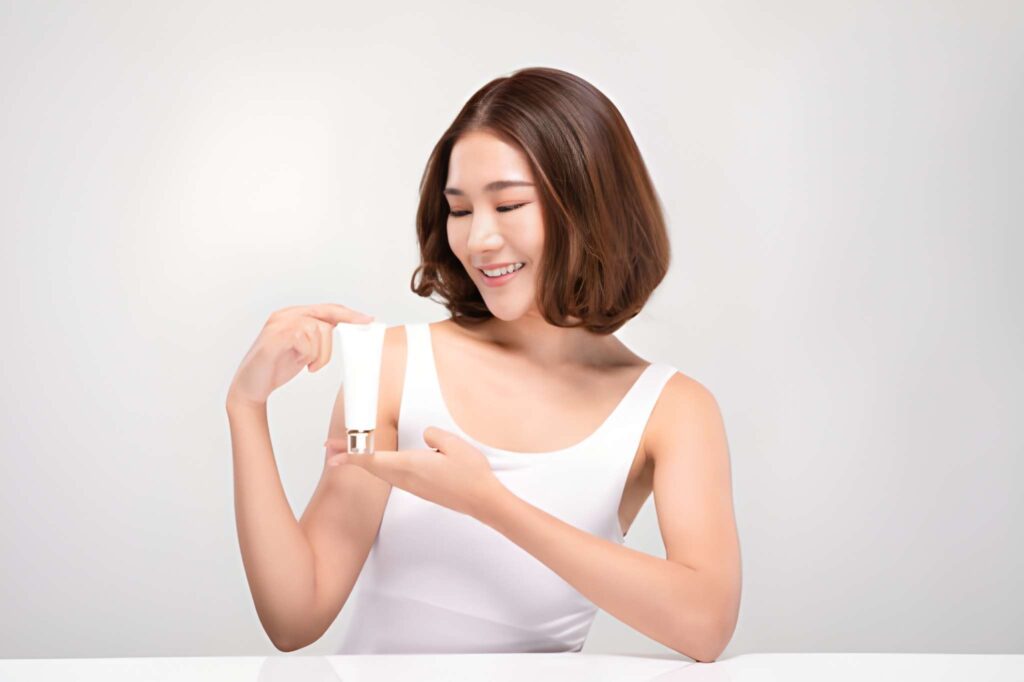
Though the product caption clarifies the size of your products, most people won’t check it. So, the best practice is to show the scale of your items realistically through images.
To visualize the scale, you can create a real-life setting. Imagine where your customers will put your product and which other items might be near it. Then, arrange the setting in the correct order to capture it in a single frame.
It will help your audience understand the real scale of the product, reducing the probability of returns.
Use Shadow As A Manipulator
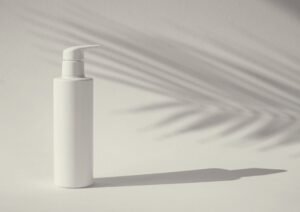
Photographing products with a pure-white background without shadows might need depth and dimension. It can seem unrealistic and floating without any reason.
On the contrary, when you add shadows as a manipulator, you simply turn your flat background into three-dimensional. This helps your product stand out and feel more grounded.
Strategic shadows can enhance the visual clue of your product, helping you get more focus on your products.
Make the Photography Feel Authentic

If your audience finds fakeness in your product images, they will surely doubt the quality of your products. Suppose you want to promote energy drinks. So, you decided to shoot a model drinking water at a gym.
In this case, the model’s expression must be tiring so that drinking water can solve his situation. Focusing on his sweaty body and messy hair will add another dimension to the story, making the images feel authentic.
On the contrary, if you capture his relaxed face in the gym, your audience won’t be able to feel the urge for your product.
Present Your Product’s Story
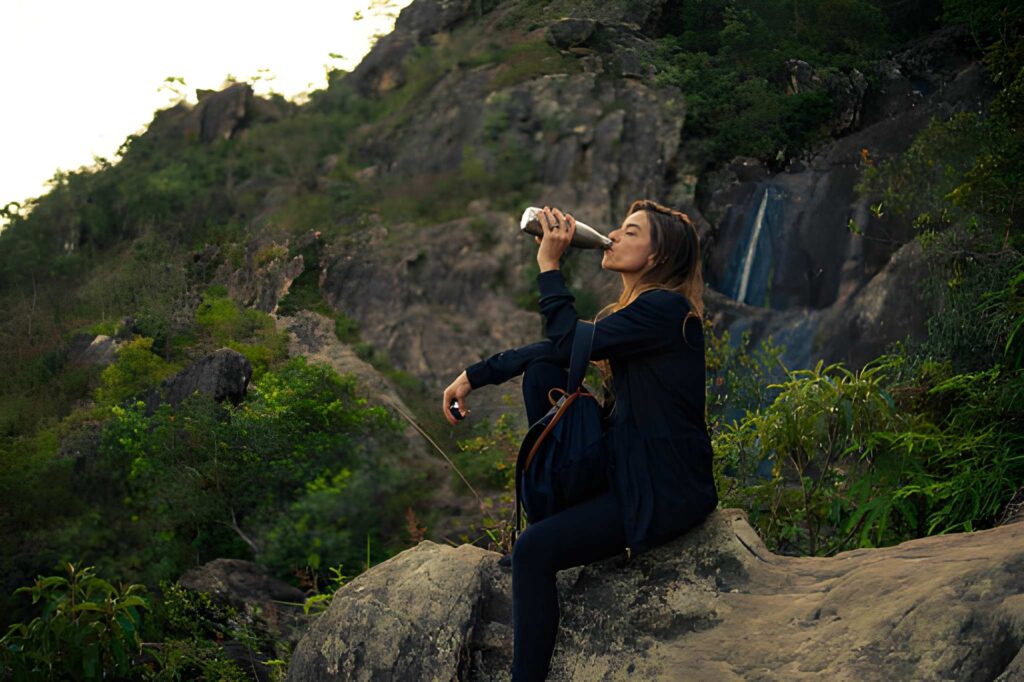
If you capture a sports drink on a table, it will make no sense, resulting in the boredom of your image. Because it has no use in the room on the table.
Rather, you can show a model drinking it on the hill. This will tell your audience that the model has just finished climbing and is drinking your products.
This is a compliment.
Undoubtedly, it will resonate with your audience and make them engage with the story.
Create a Visual Representation with a Collage
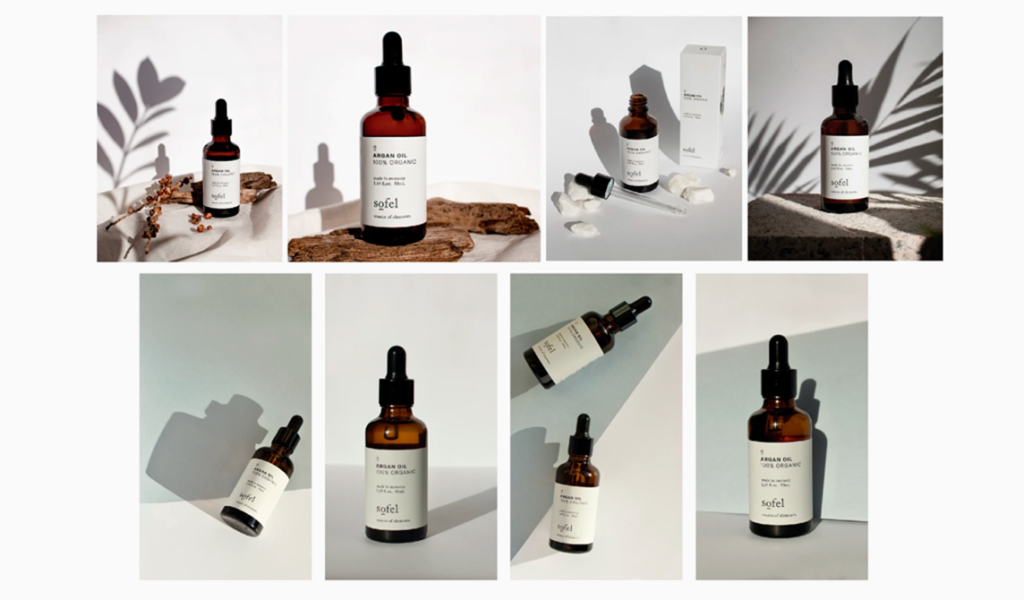
In a photo collage, you can put together several images of a picture from different angles in a single or particular frame.
One of the biggest advantages of photo collages is that they allow you to present your brand and products in a particular context within a frame.
Lifestyle Product Photography Tips
High-quality lifestyle product Photography is necessary to showcase an image with detail and highlight its context and texture. Photographers apply so many tips and tricks to capture appealing images.
Here we share some important tips for lifestyle product photography.
Use natural light for the Genuineness
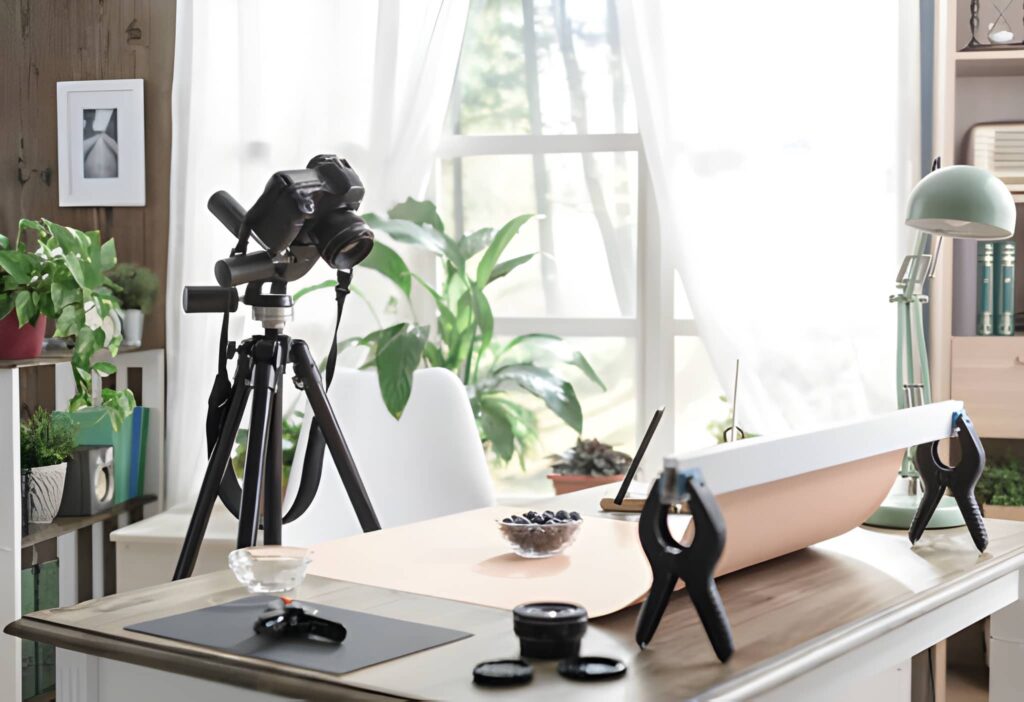
In eCommerce, people rely on product photos to decide whether to purchase. The more genuine your products look in the images, the more they will trust your brand. Photographing products in natural light lets you ensure this.
It excludes any color manipulation that can make your products look extravagant in the images, resulting in authenticity.
Direct sunlight might cause harsh shadows. Use a diffuser or a white foam board to soften the shadows and give your items a more natural look.
Know Your Targeted Audiences
You can take your product photography project to a higher level when you know your audience through proper research. So, dig into the demographic data like age, gender, geographical location, education, interests, etc.
Let’s say that when you learn that your targeted audience is between 20 and 30 years of age, you can choose a model similar to them.
Again, imagine you found out most of their favorite color is blue, and they are interested in shopping online. It would be worth it if you spent some budget on making product photos with a blue background.
Without knowing your audience, you could create yellow background product images that won’t work for most of your potential customers.
Stick to A Theme
When you present your product’s visual story, you must stick to a particular theme. Otherwise, the audience might be distracted and confused, resulting in ignoring your brand.
Like the example of energy drinks, let’s take another example of Coffee to clarify its importance in lifestyle product photography.
Hot coffee can energize people, so warm lighting and energizing colors like yellow, green, or orange are best suited in this case. You can also show a model under the blanket drinking coffee, or you can showcase her drinking it while sitting in her office chair.
These scenarios will resonate with your audience, as they are common in their daily lives. Most importantly, you maintained a particular theme to create those stories.
Apply the Rule of Thirds
The Rule of Thirds technique involves dividing the frame into nine equal parts. Here, two horizontal and two vertical lines will intersect each other at four points.

Place your product at one of these intersections and leave the other parts blank. This will make the composition more appealing and attention-grabbing.
The rule of thirds in product photography ensures that viewers are comfortable and find enough space to focus on your product. The more focus you put on your products in the images, the more sales you will have.
Add Dynamics
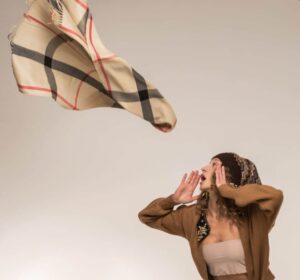
Adding dynamics in lifestyle product photography will enhance engagement, functionality, and emotion. It includes capturing fast-moving items and freezing the action.
Think about two examples. One is a model wearing a dress, and the other is someone with the dress when it is flowing in the wind. Which one is more attention-grabbing?
Undoubtedly, it is the second. Because the second picture aims to present an uncommon scenario of the dress. On the contrary, the first one is just a regular picture that has nothing to charm.
Take Many Shots
While photographing products, it is best to take as many shots as possible. It will allow you to choose the best picture for the post-production stage.
Edit Your Lifestyle Product Photos with a Professional Touch
Arranging your products in the proper setting and then capturing them is just one part of your entire photography process.
You will only achieve the natural look of your product due to the consistency of lighting and other factors. Here comes the post-production stage, where you can fix the images.
If you are an expert enough to handle it, you can fix the images yourself. Otherwise, edit your product photos with a professional product photo editing service provider like UK Clipping Path.
Conclusion:
E-commerce businesses and startups widely use lifestyle product photography. They use it for social media, ad campaigns, and website showcases.
Here we explained all about lifestyle product photography. We covered what lifestyle photography is, the DIY setup process, the required equipment, the top 15 photography ideas, tips, and tricks.
That helps you to know all about lifestyle photography.
Let’s follow the guide and apply it to your real-life lifestyle product photography to make unique lifestyle images.
FAQs:
What are the common mistakes in lifestyle product photography?
Poor lighting, off-white balance, distracting props and backgrounds, over-reflections, blurry images, and a few captured images are among the most common mistakes in lifestyle photography.
Can I use lifestyle product images in marketplaces?
Yes, you can use lifestyle product images on marketplaces like Amazon, eBay, Alibaba, and others, but not as the primary image.
What is the best lighting for lifestyle photos?
Natural daylight is the best lighting for lifestyle photography. You can capture high-quality product images in the early morning and late afternoon. It’s the best time for lifestyle photography.
How much does lifestyle product photography cost?
The cost of lifestyle product photography is about $500 to $3,000, which includes photographers, studio rentals, model payments, and post-production costs.
Where is the lifestyle product image used most often?
Lifestyle product images are widely used across e-commerce, social media, and ad campaigns.